Australia At Crossroads With The Budget 2014

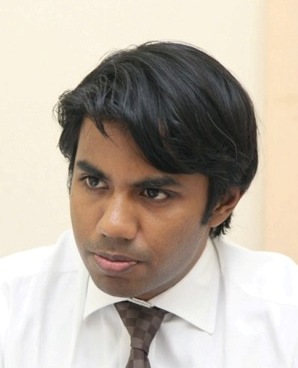
Dr. Laksiri Fernando
 Australia’s traditional welfare system or what more appropriately called the ‘caring society’ is definitely at crossroads with the new budget of the (conservative) Liberal Party, 2014/15. The party is liberal by name, but in essence it is outright conservative, more to the far-right than any time in the country’s history before. The budget may reminisce John Howard’s budget in 1996/97 in some sense, but far far to the right and conservative, very openly saying that the ‘Age of Entitlement’ is over.
This evening, the Treasurer, Joe Hockey, presented the budget in Parliament in Canberra, outlining the measures to bring down the budget deficit from 50 billion to 30 billion, an effort which could have been appreciated if not for the way that it was done by burdening particularly the middle and low income earners, while pleasing the big corporate sector in the country.
To please the big corporate sector, the abolition of the Carbon and the Mining taxes was announced.
To reduce the budget deficit, expenditure on schools, hospitals, pensions and foreign aid were drastically slashed (80 billion) and new taxes on fuel, medicare and incomes were newly introduced, but in different names. If there was any innovation in the budget then that was in respect of semantics or nomenclature as follows.
- Temporary Budget Repair Levy
- Fuel Exercise Index Adjustment
- Medicare Co-Payments Read More
- Sri Lanka: Realizing Peace, Reconciliation And Ending Violence
-
 Asanga AbeygoonasekeraRecovering from the scars of the past is an ongoing process for any nation that went through a protracted civil war; Sri Lanka is no exception to this. Ensuring sustainable peace calls for communal reconciliation; we have made progress in rebuilding relationships between individuals and within our communities. However, this is not sufficient. We now have an even greater challenge to overcome in the coming years: the need to work together as one nation.Reconciliation and nation building is not a task that falls upon a Government alone. In fact, it is upon all of us to take part in the process of reconciliation. The Government, the private sector, NGOs and individuals should all work together, hand in hand, to build a sustainable peace in any country. Working in cooperation with one another rather than in isolation is what will enable all of us, as stakeholders for peace, to establish a stronger foundation for mutual understanding, solidarity and ultimately harmony in a country.