

Lok Sabha Election Spelling A Difference In 2014
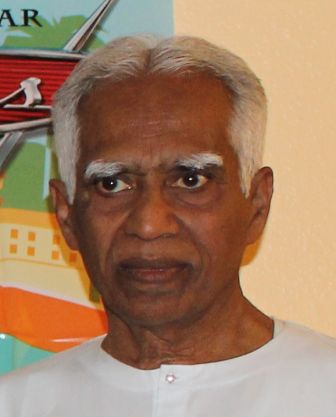
S. Sivathasan
 Phase of Predictability
Narendra Modi has been making a proud assertion that even as elections were announced, results too were announced on the same day. This phenomenon obtained from 1951 to 1971 at 5 elections. In all five, vote share ranged from 40.8% to 47.8%, for the same winning party – Conngress – led by Nehru and later by Indira Gandhi. At 4 of the 5, seat strength reached 371 from 352. Congress rule stretched from 1947 to 1977. So for a quarter century which party will win, how much will popular support be and who the Prime Minister will be were accurately predictable. For all 30 years Nehru and Indira had their commanding presence. Congress credentials had their alluring appeal. Fortunes which changed to an unbelievable low in 1977 were restored to an incredible high in 1984 and it remained so till 1989.
Since then for 25 years, no party obtained an absolute majority at no less than 7 consecutive elections. Seat strength for a single national party, the Congress varied from 114 to 244. Popular vote for the Congress in the writer’s estimate is estimated to decline from 50% in 1984 to 20% in 2014. Seats for the BJP at 2 in 1984 are escalating to a predicted 280 in 2014.
This phenomenal contrast in a mere 30 years conveys the agility with which the Indian electorate can change its stance. The voting millions of varied ethnicities, religious persuasions and political hues, taken as a composite whole have displayed a remarkable unity in their consciousness and reaction. In the first quarter century after independence when the Congress was the very epitome of dedication and commitment to making India great, to who else could they have voted? Was there anyone to match Nehru and Indira to be Prime Minister and to lead the nation?
What is most striking is Indians thinking alike and supporting effusively the same persona till 1971. Iceberg like movement en masse was the feature of electoral behavior in 1977 and 1984. From 1989 when successive governments failed them and belied their expectations there were long spells of disillusionment. What followed were unstable governments made weaker still by sectarian alliance partners.
To the writer, the 2014 election in very simple terms is a choice between Indecisiveness andResoluteness. As of now today, 64% of the voters shall have delivered their decision. Read More
