

Good, Bad And Ugly Of The Draft Resolution In UNHRC
By S. V. Kirubaharan -March 11, 2014
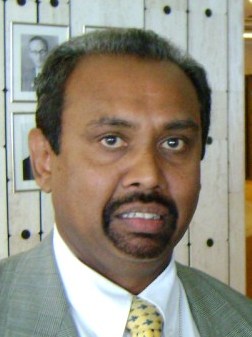
S. V. Kirubaharan
 Looking at history, we see there have been political and ethnic conflicts attempting secession from aggressors. Some were successful, a few are pending and a very few had sad endings.
It is too early to consider whether the political and ethnic conflict of the Tamils in the Island of Sri Lanka has to come to an end. Of course there are many tragic and disappointing incidents which have occurred. There are many questions to be answered.
The Biafran conflict between 1967 to 1970 in the South Eastern provinces of Nigeria was a very successful case of self-proclaimed independence, supported and recognised by a few States. Unfortunately the same had a very tragic ending.
During the Presidency of General Yakubu Gowon of Nigeria, the 30 months Biafran war ended with an unconditional cease-fire. A few years ago, I met General Gowon in an international conference. During our friendly discussion, he explained that, as soon as the Biafrans declared unconditional cease-fire, he declared that “there would be no victory and no defeat”. A period of rehabilitation, reconstruction and reconciliation followed. This paved the way for the Nigerian economy to start to boom, with the country’s huge oil reserves.
Today nobody talks about Biafra and there have been no punitive mechanisms on Nigeria, especially regarding Biafra. The Nigeria-Biafra war teaches a lesson to dictators and warmongerers about making positive approaches towards a people who a state claims as their own citizens.
The Tamils in the North and East in the island of Sri Lanka have some similarities to the Biafran people.
When we talk about the present government in Sri Lanka, the majority of the people in the South say it is “Rajapaksa’s government” rather than the “Sri Lankan government”. Many are ashamed of what happened during and at the end of the war, in “Mullivaigzhal” in May 2009. Read More
