

A Language Called Sinhala Through R.A.L.H Gunawardana: A Very Dark Glass Darkly
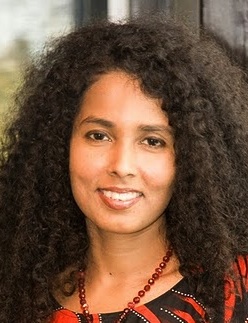
Darshanie Ratnawalli
 My series on the history and development of the language called Sinhala (of which this is the third episode preceded by Episode 1 and Episode 2) would have been dry as dust if not for the fallible scholars of Sri Lanka. If those worthies hadn’t gazed upon it through the glass darkly of their flawed comprehension, Sinhala wouldn’t have been half as interesting. Today, we have Leslie (R.A.L.H) Gunawardana with his glass darkly act.
In 1995[i], discussing the Vallipuram inscription he said “The identification (by Paranavitana in 1939 in Epigraphia Zeylanica Vol. IV, pp.229-237, parenthesis mine) of the language of the inscription as Sinhala runs counter to opinions which have remained dominant in the field of historical linguistics for more than half a century”. Then after giving a brief description of these opinions, Leslie Gunawardana concluded;
“It will have been evident from the preceding discussion that, according to the periodization of the evolution of the Sinhala language which came to gain general acceptance among scholars, the appearance of the Sinhala language as a clearly distinguishable linguistic form was dated in the eighth or the ninth century. It has also come to be accepted that the language of the early Brahmi inscriptions in the island should be classified as Prakrit. Since Paranavitana was not a scholar who limited his scholarly activities merely to epigraphy but had also studied the development of the language, it would be justified to expect that these views would come to bear a modifying influence on his original opinions on the identity of the language of the Vallipuram inscription several decades later. In the introduction to his second edition of the record, Paranavitana (1983:79-81[ii]) does not refer to the language of the Vallipuram record as Sinhala or even as Old Sinhala.”- (pp14,“Historiography in a time of Ethnic Conflict”-) Read More
