

Sri Lanka’s Leadership And The Attacks On Churches

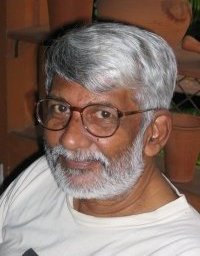
Fr. Sarath Iddamalgoda
The Sri Lankan Constitution and other laws and policies and the UN declaration on human rights protect religious freedom. The Sri Lankan Constitution states, “Every person is entitled to freedom of thought, conscience and religion, including the freedom to have or to adopt a religion or belief of his choice”. The Constitution gives a citizen, “the right either by himself or in association with others, and either in public or in private, to manifest his religion or belief in worship, observance, practice, or teaching”. The UN declaration of human rights states, “Everyone has the right to freedom of thought, conscience and religion; this right includes freedom to change his religion or belief, and freedom, either alone or in community with others and in public or private, to manifest his religion or belief in teaching, practice, worship and observance”.
The reason media reports suggest that there is escalation of violence and attacks on Churches in Sri Lankan highlighting the abuses of religious freedom in Sri Lanka. Any action that is utilized to limit the ‘freedom of thought, conscience and religion’ is an infringement of the constitution of the country. Clearly, the attacks carried on the Churches are not just the violation of the constitution that allows religious freedom but also are a violation of human rights as well.
It must be noted that the Constitution accords Buddhism the “foremost place” and commits the government to protecting it, but does not recognize it as the state religion. However, it is widely noted that apparent motive of attack of the Churches and places of worships of minority religions in Sri Lanka is to safeguard the primacy of Buddhism. Buddha himself noted “May all being be happy minded and may their hearts be wholesome”. Such action of the concentrated group of people of fanatic devotion is not only highlights the crudeness of their religiosity but undermines and betrays teachings of their master.Read More
