

Politicization Of Public Service
By Austin Fernando -December 15, 2013
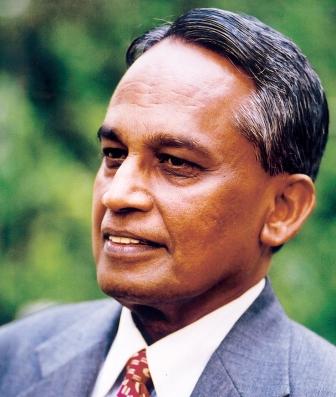
Austin Fernando
 During my 35 years of public service I have heard the complaint “Oh, there is political interference, and we cannot work!” As a junior I made the same complaint. But right now I do not publicly hear such frustrated grousing or moaning, not because there is no politicization; most likely it is accepted as unchallengeable!
Politicization of administration is a universal social process bringing a political character or flavor to administration. It is high in the developing world, but not absent in the developed world.
Politicization in Sri Lanka
A former Ceylon Civil Service (CCS) officer may find politicization as the least experienced. Politicization in public service was tolerable during my times, but with occasional conflicts. Now it appears as “a matter of fact” issue / consequence.
The healthy economy and minimal socio-political requirements at Independence minimized vast political demands made from the administrations in Sri Lanka. Hence the politicians were a distanced lot. With enhancing economic, social, terrorism, political complexities, politicians’ involvement in administration increased.
There were several main reasons for this status.
In fifties one reason was the foreign reserves reduction after the Korean War boom leading the politicians to economize, rationalize administrative actions.
Secondly, the Marxist interventions boosted demands from the governments – especially after 1956 creating new issues for which politicians’ intervention was required.
Thirdly the politico-social “revolution” (1956) resulted in the “common man representatives” entering the parliament. They lacked comparative knowledge of intricacies of public administration but had loads of novel aspirations to be hurriedly achieved, which required personal interventions. The electorate also looked up to them to intervene. Read More
