

Sri Lanka: The Unbreakable Bond
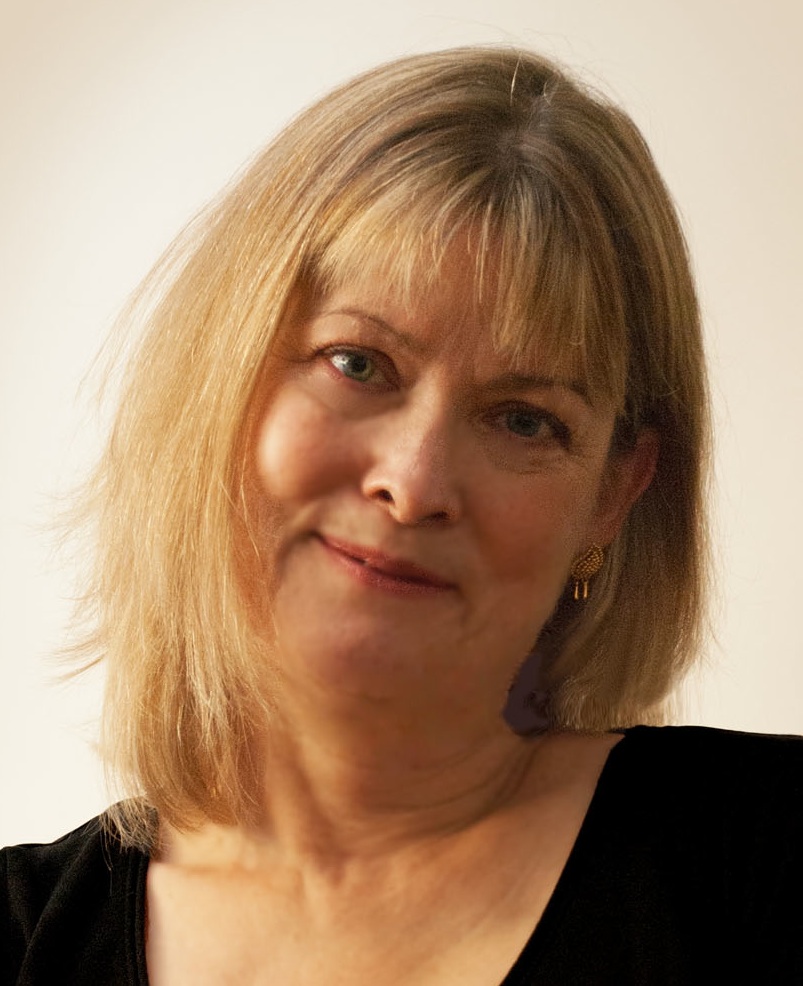
T. Thurai
When I wrote my novel The Devil Dancers, I could not have predicted that the cycle of events in 1950s Ceylon which provided the historical background for my book would re-surface in contemporary Sri Lanka.
An important influence on Sri Lankan politics since Independence – which has neither been fully appreciated nor understood by the West – is that of the Buddhist clergy or sangha. This is partly due to Western misconceptions regarding Buddhism.
Shaped by notions of Zen Buddhism, a liberal dose of romantic Orientalism and the traditional separation of power between Church and State, the European perception of Buddhism is that of a purely spiritual practice, completely disengaged from the interests of the temporal world.
We are therefore surprised when confronted by the blend of political activism and nationalism which can occur within the Theravada branch of Buddhism common to both Sri Lanka and Burma.
From the western perspective, Buddhism is viewed as a uniformly pacifist, politically neutral faith. It comes as a surprise, therefore, to learn that in some parts of the world – namely Sri Lanka and Burma – there is a particular brand of Buddhism in which monks are not only politically active but have also become embroiled in activities that are aggressive, violent and sometimes criminal.
Recent TV news items from both countries have shown Buddhist monks taking an active part in attacks against minority religious groups. While Moslems have been the main target, they have not been the only one. Attacks on Christians have also been reported in Sri Lanka.
What is the reason for this? Perhaps history can help to explain.Read More
Lee Rhiannon, Jan Logie Released After Being Detained In Sri Lanka
 November 10, 2013
Australian Parliamentarian Lee Rhiannon who was detained and questioned by Sri Lankan Immigration authorities for breaking immigration laws by attempting to hold a press conference, was issued her Special Projects Tourist Visa by Colombo’s Consulate in Sydney, an Australian newspaper reported.

Lee Rhiannon
Rhiannon told Fairfax media that she was advised to obtain a special projects class visas as a visiting parliamentarian.
“The people in the Sri Lankan consulate in Sydney approved the visa and there was no problem with it,” The Australian quoted her as saying.
Sri Lanka’s Consulate in Sydney is headed by Consul GeneralBandula Jayasekera, now in Colombo for CHOGM.
He told The Australian that the MPs were not being detained by immigration or deported, only being asked not to address the media because it breached the conditions of her tourist visa.
Ms Rhiannon was in the country on a ‘Special Projects’ class Tourist Visa, which she says, as a visiting parliamentarian, she was advised to obtain.
“They said that we had broken the law, and I challenged them on that. We obtained the correct visa, we followed their advice on which visa to obtain, the Australian government alerted the Sri Lankan government to our visit and about what we’d be doing. We followed the rules at all times,” the Australian Senator said.
Rhiannon and New Zealand Green Party MP Jan Logie were both detained by Immigration Officials who shut down a press briefing they were scheduled to hold at the office of the Tamil National Alliance in Bambalapitiya this morning.
The two MPs had been on a fact finding tour to Sri Lanka and travelled to the North where they said they had seen evidence of serious human and legal rights abuses. The two MPs were to issue a damning media statement at this morning’s press briefing, implicating a senior military commander in the abuse of women living in the North.
